Shaping Homes, Strengthening Futures
Why Bricks Matter
Bricks are more than just building materials — they are the backbone of every strong and lasting structure. From homes to commercial spaces, bricks provide durability, fire resistance, and timeless beauty. Their strength ensures safety, their versatility
Benefits of Bricks
• Superior Indoor Comfort
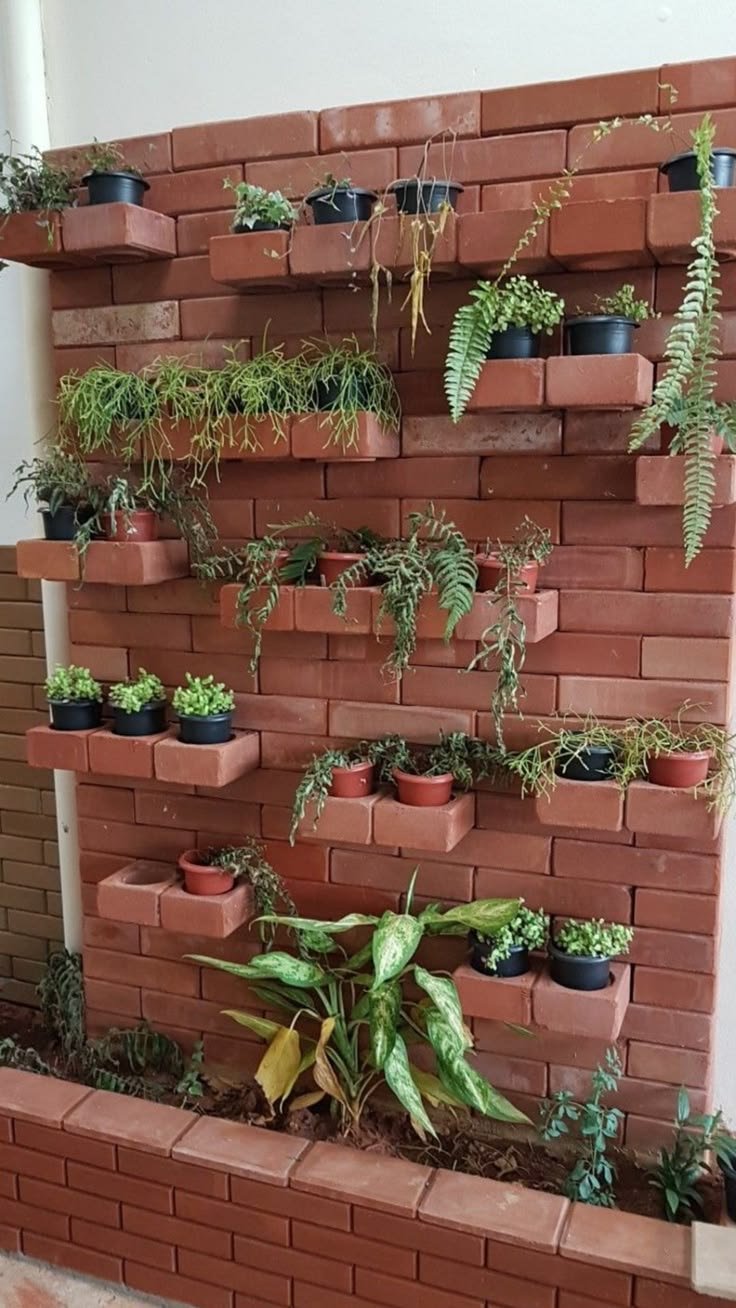
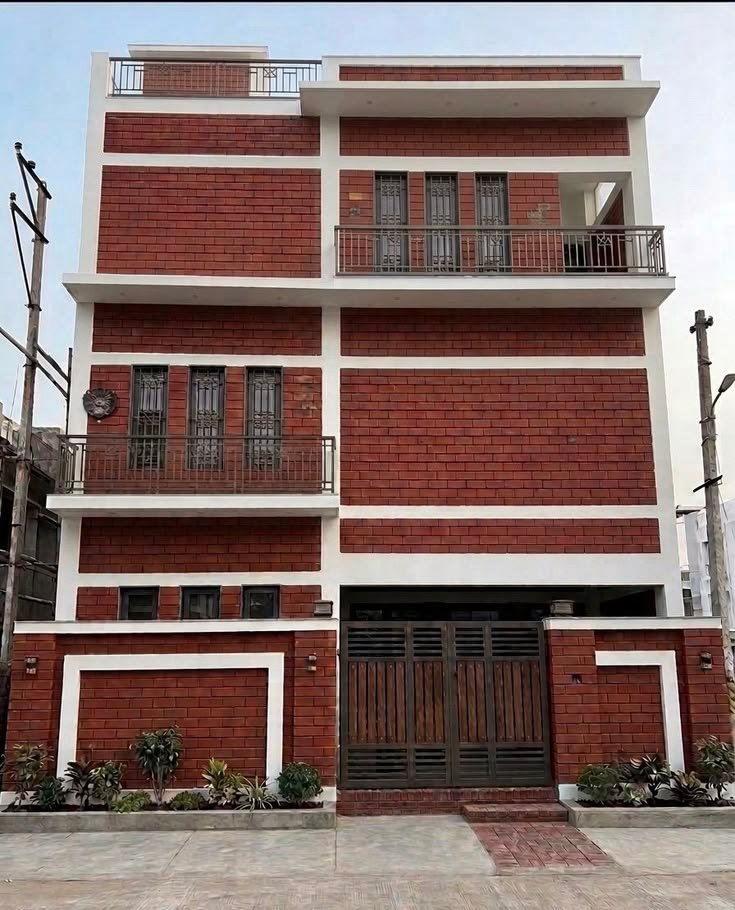
Homes feel naturally warm in winter, cool in summer, solid and peaceful — creating a comfortable living environment every day.
• Energy Savings You Can Feel
Reduced need for air-conditioning and heaters helps save 20–30% on energy costs compared to conventional concrete structures.
• A Truly Eco-Responsible Home
Built using locally available natural soil, making your home environmentally responsible without compromising strength.
• Low Energy Manufacturing = Greener Living
Earth blocks require minimal energy to produce, unlike cement or fired bricks, helping reduce environmental impact from the start.
• Safer, Healthier Living Spaces
Naturally resistant to fire, pests, mold, and excessive noise, giving your family a safer and more peaceful home.
• Chemical-Free Indoor Air
Made from natural materials that do not release toxic gases, ensuring healthier air quality inside your home.
• Built to Last for Generations
Earthen homes have proven durability across centuries, offering long-lasting strength and timeless reliability.
MANUFACTURING PROCESS
Analysis of the soil
Shifti ng of Soil
Soil should be properly dried and sieved to remove large lumps, stones, leaves, roots, and other unwanted materials before use. This helps achieve a uniform soil mixture and better-quality blocks. The prepared soil is then thoroughly mixed with cement and the required amount of water before being compressed into blocks. Proper preparation ensures better strength, durability, and consistency in the finished blocks.
Preparation of the mix
Once the soil is dried and sieved, it is mixed with the required amount of Portland cement based on the soil type. Sandy soil generally requires 5–9% cement, silty soil 8–12%, and clayey soil 12–15%, with more than 15% not recommended. The right consistency can be checked by making a small ball of the mix in your hand—it should hold its shape without leaving the soil on your palm.
Compaction of the block
Curing of the block
Manufacturing SCEB Size
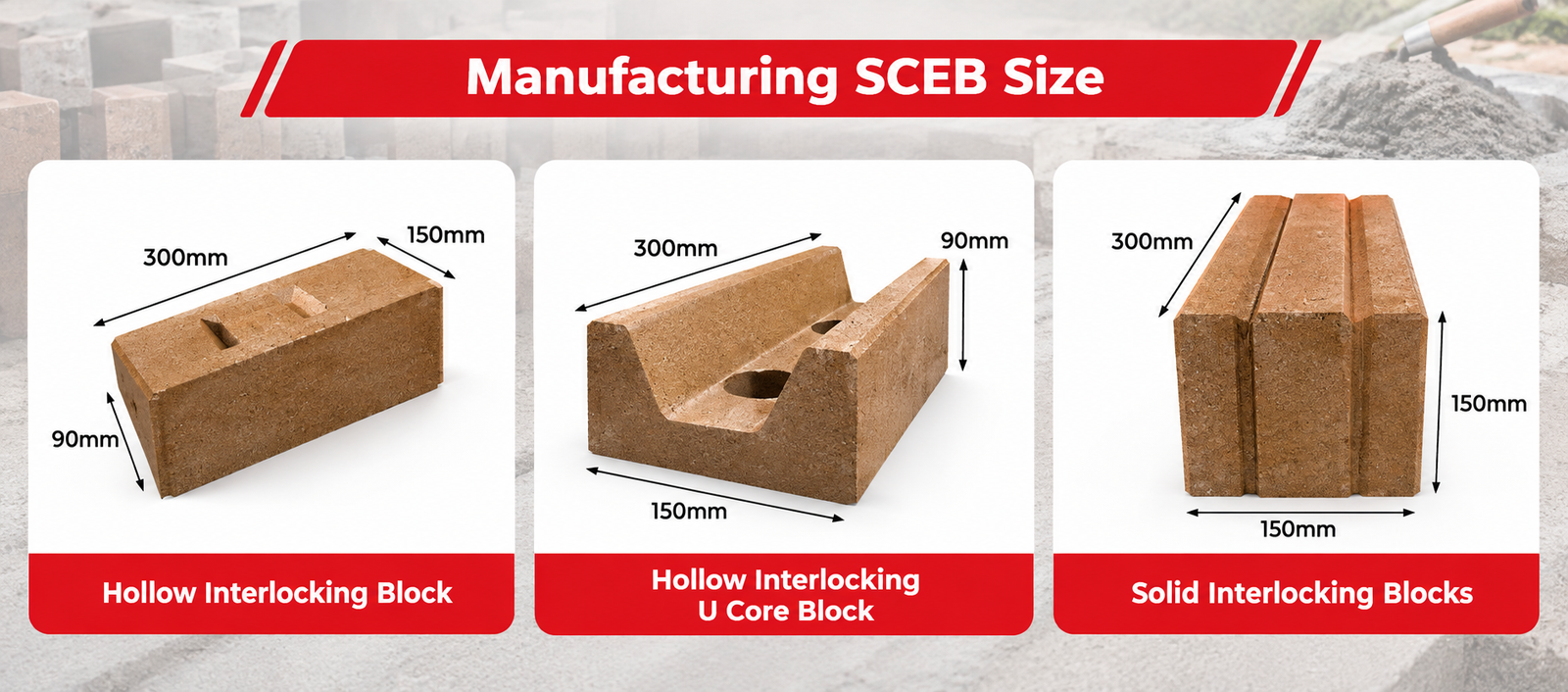
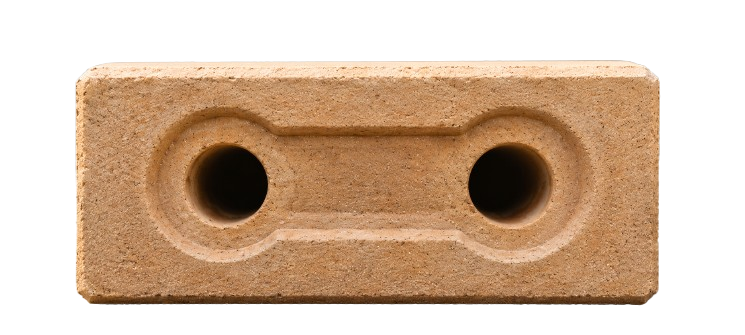
Hollow Interlocking Bricks
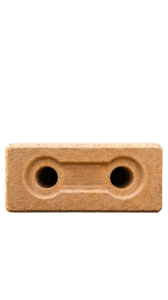
Solid Interlocking Bricks
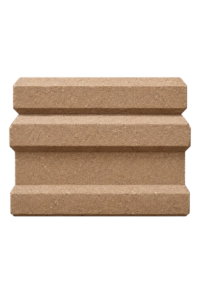
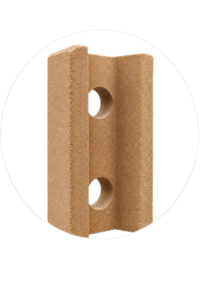
U Core interlocking Bricks